Interview استبيان
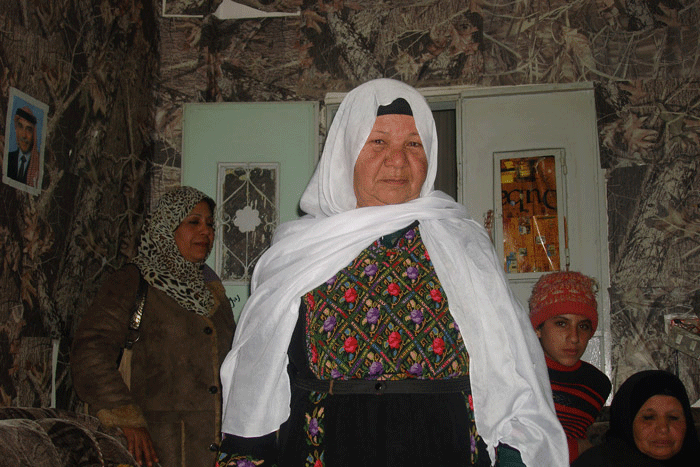
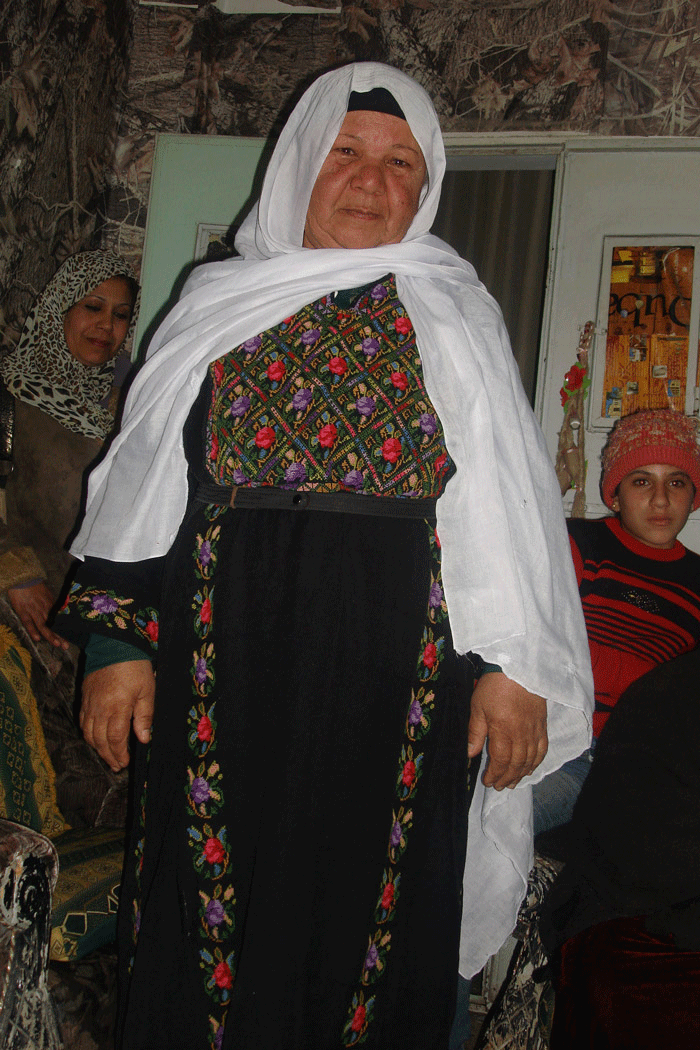
Name: Turkiye Ali Salim (Umm Muhammad) Village of origin: Kawkabah – Gaza District She was 2 years old in 1948. Her father was farmer, who also owned sheep and cows. Family of 8 siblings: 5 brothers (Muhammad, Ahmad, Abed, Shahban, Yusef) and 3 sisters (Zarifa, 1 other sister, and herself Turkiye) Her brothers helped their father on the farm. They also had a small shop which sold yoghurt, sweets, beans and lentils, rice, sugar and flour. When the Jews attacked Kawkabah, people ran away taking nothing with them. At that point, she was outside Kawkabah with her mother and one sister. The family was thus split. Her mother and the two small girls ran towards Gaza together with other people, without any food. They were given some bread in other villages. Her mother went hungry in order to feed her daughters. Before they reached Deir el-Balah, the Jews were bombing the road, killing indiscriminately. Some people were killed, others wounded. Families split up and dispersed in different directions. In one village, a cousin of hers went to the coffee house to listen to the news on the radio, and was shot dead by the Jews. They stayed in Deir el-Balah 1948-1953, living in tents made of the same material as UNRWA bags. Both UNRWA and the Red Cross helped them, providing them with tents, food, health and education. After leaving Deir el Balah in 1953, they went to Zakariyya, Taffuh, Tarkumiya, Duweima, al Khalil/Hebron, Ariha/Jericho, al-Karama and onto Irbid and subsequently Irbid Camp, before settling finally in al-Baqa’a Camp. Some of her brothers had come to Jordan before her. In 1953, these brothers ordered her to come to Amman. She, her mother and sister traveled on a donkey only at night for reasons of safety. The trip took two nights. Sometimes, the donkey was tired; so they had to walk behind the donkey without shoes, their feet being cut by the grass. From Hebron to Irbid, they went by pick-up truck. When they reached Jordan, they did not know any towns or villages, so they asked the driver what these were that they crosses. In Irbid, they stayed in storerooms for the first month or two. When the Jordanian Government and UNRWA set up Irbid Camp, her mother and the two girls built a house out of mud and dry grass. UNRWA helped them for food, health and schooling. The government of Jordan welcomed them and gave them the land which enabled them ti live in the camp. What do you remember of your trip on the way? An old house with six arches like rooms (perhaps a khan?), lemons, oranges, olive and date palms. What was life like in Irbid Camp? One brother worked as a labourer for 50 fils (0,05 JD) per day, carting boxes from trucks. What do you remember of Palestine? Palestine is a very beautiful country. I remember the sea. Also the festivals, such as The feats of Prophet Eyub. Happiness. We had no money, we ate one meal a day, but Israel stole our happiness. Would you return? I hope to return to Palestine. More important than anything else (ecen over and above Family) is the Return. I refuse any compensation. She tells how her husband visited Kawkabah after 1967. He found his land and farm, and met an Israeli who had rtaken the land. Her husband said “This is my land”, and the Jew replied “No, this is my land”. She has no documents proving property ownership. Does she still have the key to her house? No? There was no key anyway. The lock was in wood, and in any case, there was no need to lock anything. Everything as safe. Do you give us permission to put this interview and photographs of you on Internet? Of course.
استبيان
الإسم : تركيه علي سالم (أم محمد)
القرية : كوكبا قضاء المجدل قضاء الخليل
العمر وقت النكبة :سنتان
أعلمها بأحداث النكبة والدها وأمها
كان والدها مزارع يعمل بأرضه ويربي الأغنام و الأبقار وله دكان(بقاله) يبيع بها الحبوب و الطحين والسكر و أرز الحتوى
كانت أسرتها مكونه من خمس أخوة ذكور و أخت وهم محمد أحمد العبد شعبان يوسف و زريفه وأخت أخرى
أخوتها كانوا يساعدون والدهم بالعمل.
في عام 1948 كانت قريتها من القرى التي تعرضت لهجوم إسرائيلي، أخذ أهل القريه يهربون من مكان إلى مكان
ولم يأخذوا معهم شيئ وهبوا الى البريج والمجدل
و لما خرجت مع والدتها وأختها من كوكبه فقدوا أسرتهم ووصلوا غزه مع أناس أخرون و لم يكون معهم طعام أخذت أمها خبز من أناس لإطعامهم .
في طريقهم الي دير البلح تعرضوا لقصف حيث إستشهد أحد أقاربهم أثناء سماعه للاخبار بمقهى
مكثوا في غزه خمس سنوات من1948_1953 بدير البلح وسكنوا أول شهرببيوتمن الخيش ثم في خيام وساعدهم وكاله الغوث و الصليب الأحمر
ثم قدموا إلي إربد
كان أخوها قد قدم قبلهم إلى إربد
كيف كان طريق الهجره
المسير كان ليلآ بواسطة الدواب إلى تفوح ثم الدوايمة ثم الخليل و إستغرقت ليلتين إلى الخليل.
من الخليل إلى إربد بواسطة البيك آب
كيف كان الوضع في إربد
سكنوا في الحواصل إلى أن تم تجهيز مخيم إربد
في مخيم إربد بدءوا ببناء البيوت من الطين و القش
قدمت وكالة الغوث الأنروا المواد الغذائية و الخدمات الصحية و التعليم
كان العامل يتقاضى 50 فلسآ في اليوم و كان يمملون في تنزيل و رفع البضائع
ماذا تتذكرين أثناء مسيرك
تتذكر البيوت القديمة و مكونة من ستة عقود وكل عقد بمثابة غرفة ( بحجم غرفة )
و مزارع الليمون و البرتقال و زيتون والأشجار النخيل
ماذا كان دور الحكومة الأردنية
الحكومة الأردنية رحبت بهم وساعدهم في البقاء
ماذا ذكرين من فلسطين
تتذكر البحر كانت تزور البحر في المواسم مثل موسم النبي أيوب كانت سعيدة لكن العدو الصهيوني سرق هذة السعادة وتؤكد أنها سترجع وترفض التعويض
زار زوجها قريته بعد 1967 ورأى أرضه ومزرعته وقال له محتل لأرضه أنها ليست له و قال زوجها هذه أرضي
هل بحوزتك أي وثائق أ مفتاح
لا يوجد معها أي وثائق أو مفتاح حيث كانت القرية أمنه تغلق البيوت بدون مفتاح
وهي موافقه لأخذ صورة لها و نثرها على الإنترنت